Mechanical Engineers
Consultancy, design and installation
Mon–Fri 09:00–17:00
East Sussex · Surrey · Kent
Gas Safe Registered
Oil boiler installation
Our oil heating team installs across rural East Sussex, West Sussex and Kent, fitting boilers from the established manufacturers, Worcester Bosch and Grant among them, for domestic and commercial premises alike. Every installation is tested, commissioned and handed over by the engineers who fitted it.
When you compare appliances, look for an efficiency rating of 90% or above. Ratings at that level are typically endorsed by the Energy Saving Trust for their eco-friendliness and cost effectiveness.

Three things decide it: the heat output the building actually needs, the efficiency rating of the system, and whether a system, combi or regular boiler suits the property. Our engineers are on hand to work through the options with you rather than leave you to it.
System boilers work alongside a hot water cylinder, which suits larger properties where several outlets may be drawing hot water at once. Combi boilers give heating and hot water on demand with no cylinder, which suits smaller properties or anywhere space is tight. Regular boilers are the usual choice when replacing an older oil boiler, because they work with the central heating system that is already there.
Efficiency drives fuel consumption, running cost and environmental footprint. Modern condensing oil boilers reclaim heat from the exhaust gases and reach higher efficiencies than non-condensing models. Look for a rating of 90 per cent or above.
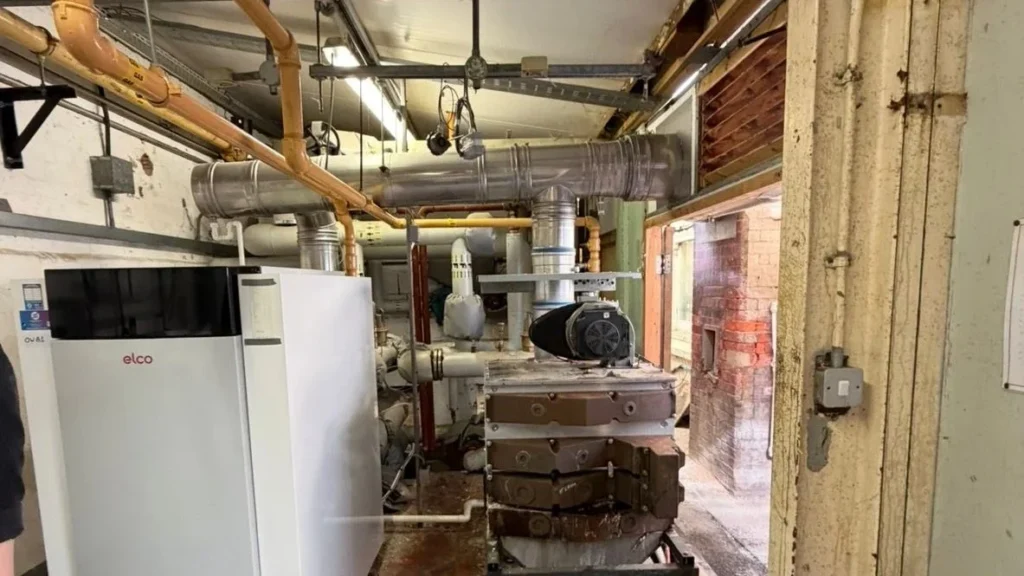
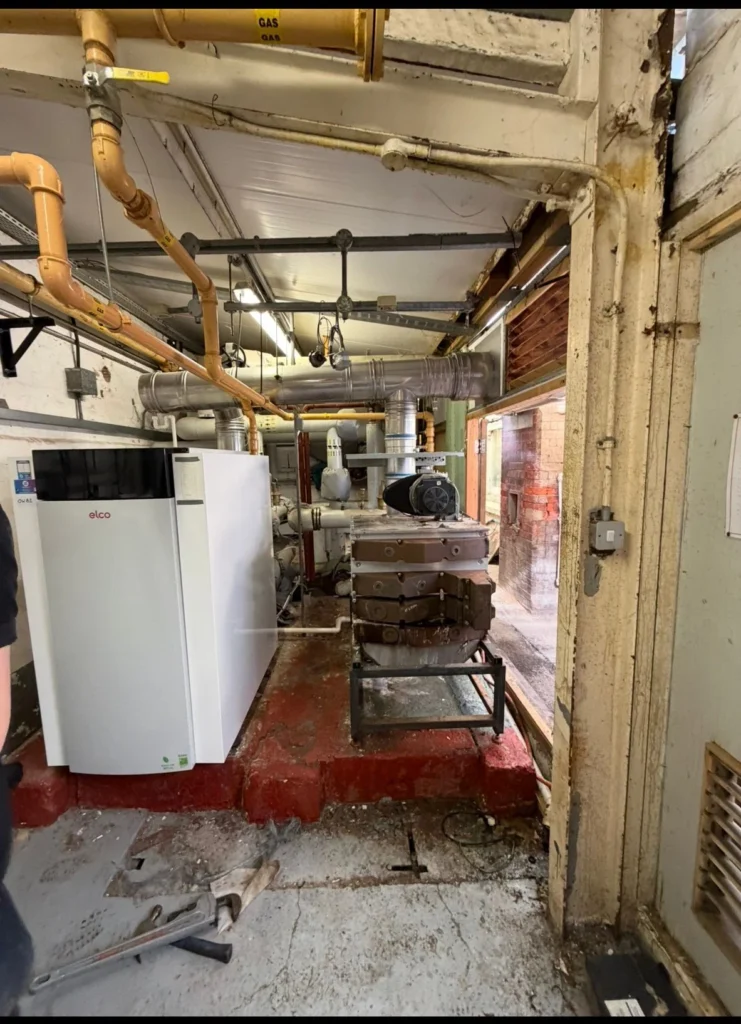
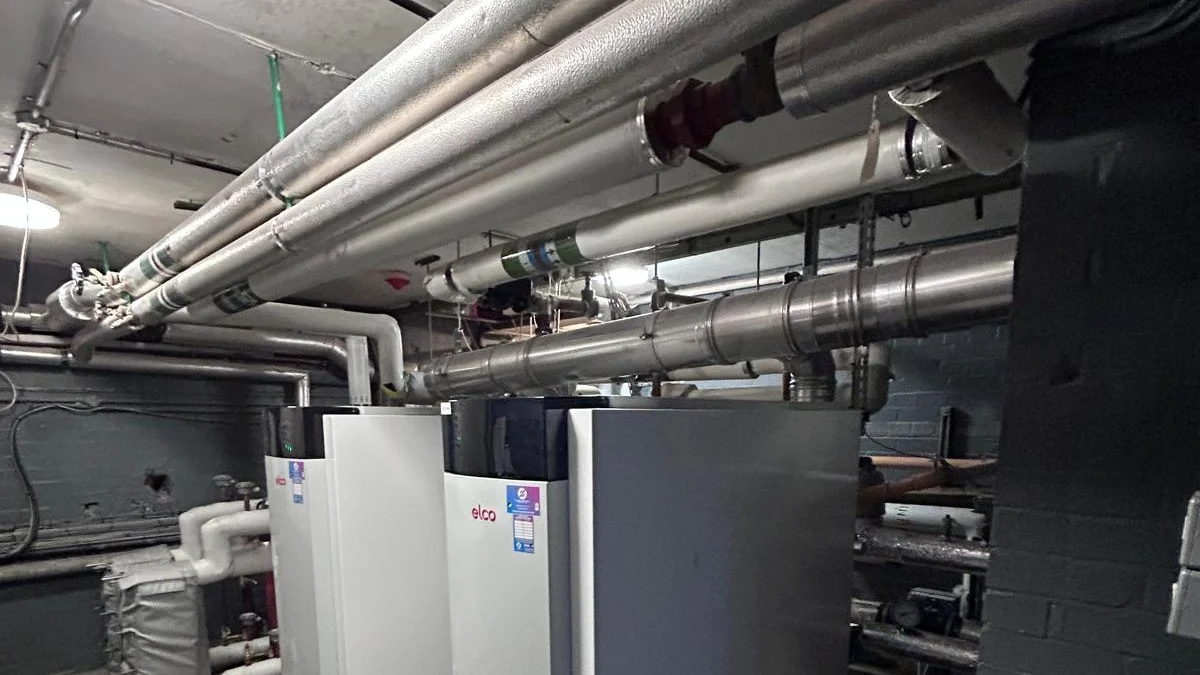
Oil boilers come floor standing and wall mounted and go into everything from a house to a commercial building, so the physical fit is rarely the constraint. Sizing to the real heat loss is what makes the difference to the running cost.
One advantage of oil over gas is that the fuel is stored on your property. Oil fluctuates in price the same way gas does, but because you hold a tank of it you can buy when the price is low and store it, which is something a mains supply cannot offer.
Site assessment. Before anything is ordered, our engineer surveys the property, assesses where the boiler can go and confirms the safety measures the installation needs.
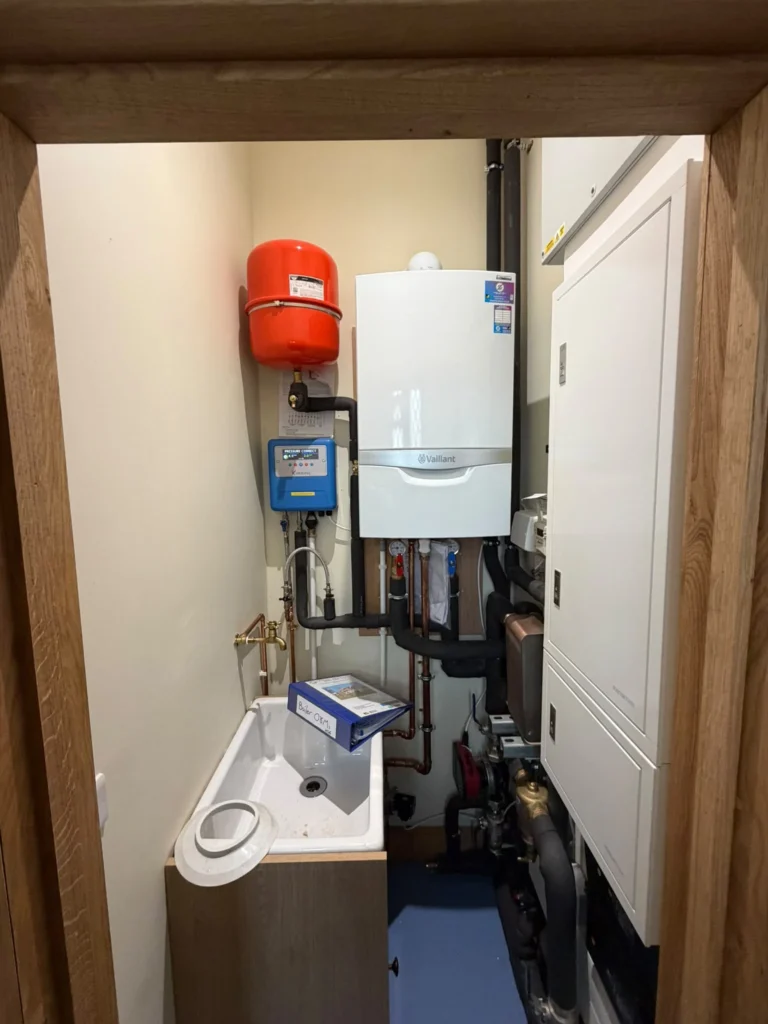
Location. Boilers commonly go in a utility area. Wherever it lands it needs proper ventilation, it has to meet the clearance guidelines, and it has to be reachable for servicing. Weatherproofing is considered where the position calls for it.
The oil storage tank. The tank feeds the boiler and has to sit at the regulated distance from buildings and boundaries. Tanks are usually above ground and can be plastic or metal depending on the site and the regulations.
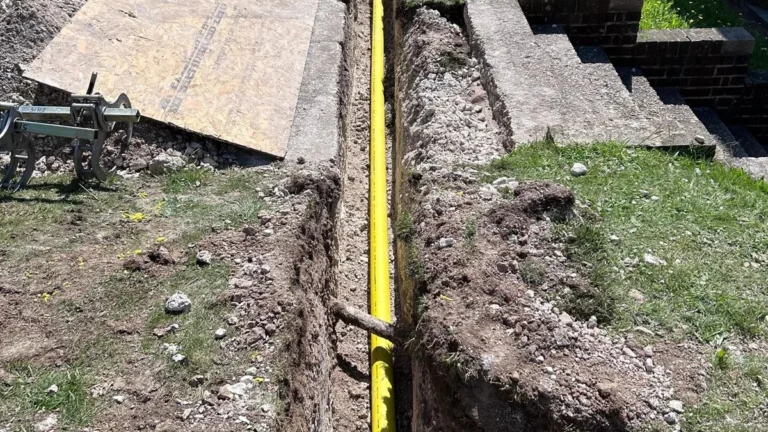
The fuel line. Once the tank is positioned we run the line to the boiler and fit a fire valve. Every line is pressure checked for leaks and secure connections before it goes into service.
The flue. The flue vents the exhaust gases outside, and how it runs depends on where the boiler sits and what the regulations require. An indoor boiler may need a vertical flue through the roof; an outdoor unit usually takes a horizontal one.
Testing and commissioning. The finished system is tested end to end. The engineer checks for leaks, verifies the flue and assesses the boiler in operation, and only then is it commissioned.
Modern oil boilers, condensing models in particular, run considerably cleaner than the units they replace. Where oil is the only realistic fuel, a high-efficiency condensing boiler is the version of it with the smallest footprint.
Arrange a site survey and our engineers will assess what the property needs and give you an accurate estimate.
How we work
We visit the building, survey what is there and scope the work with you.
A costed proposal written against your budget and your programme.
Installed to specification by our own engineers, tested and handed over.
Recent work in the South East


Our services

Consultancy, design and installation
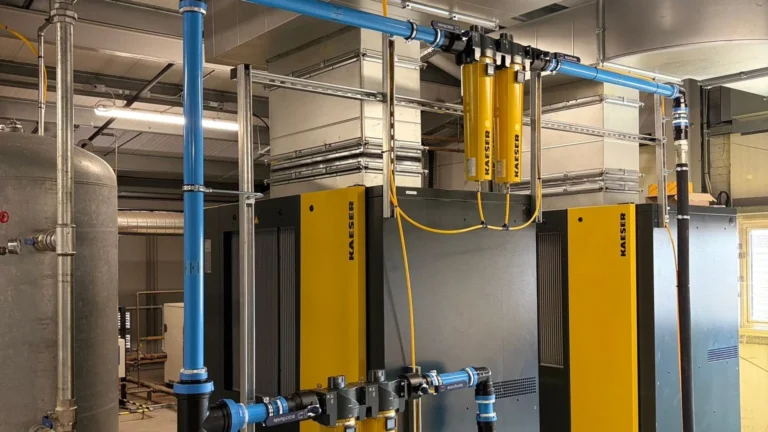
Compressors, dryers and ring mains
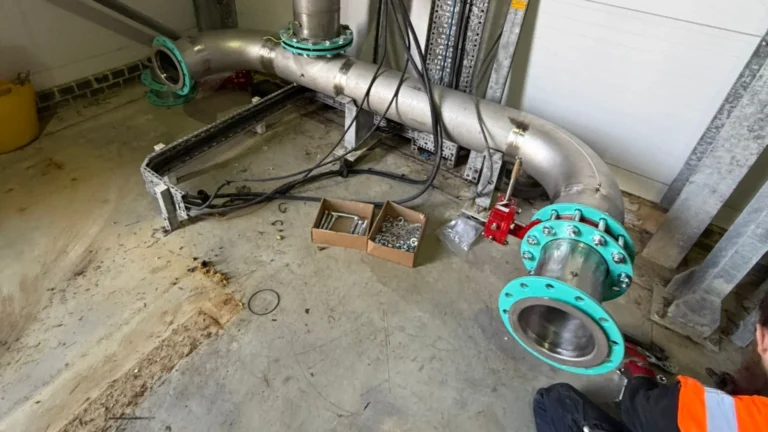
Testing, purging and fabrication
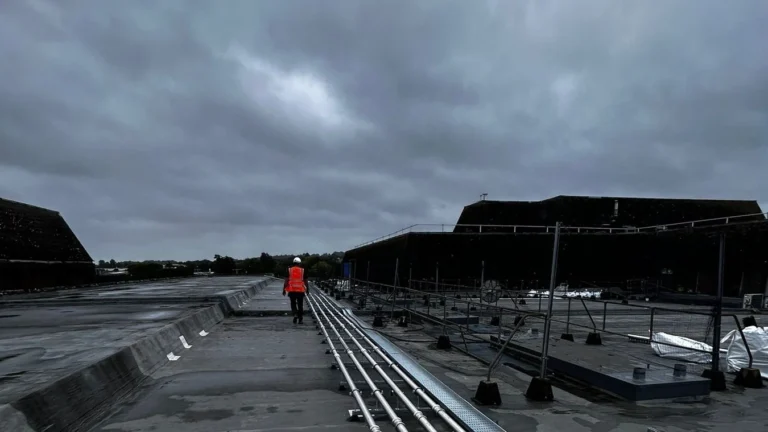
Welded and fabricated on site
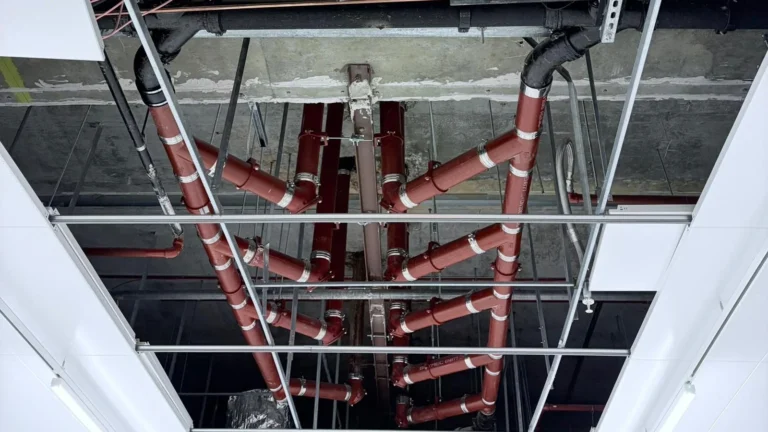
Specialist commercial pipework
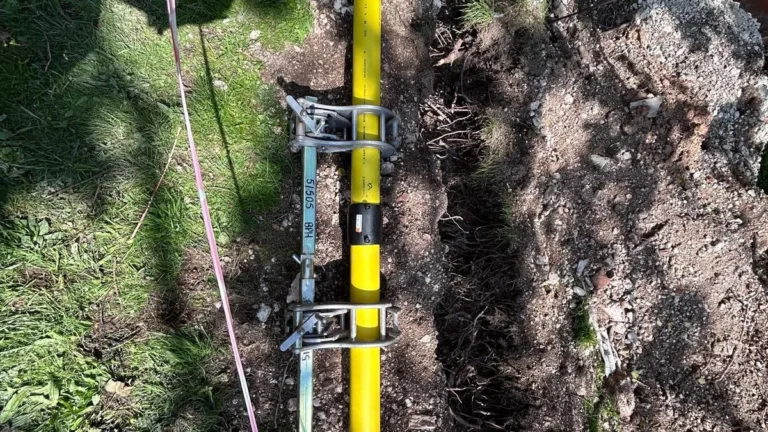
Energy-efficient replacements
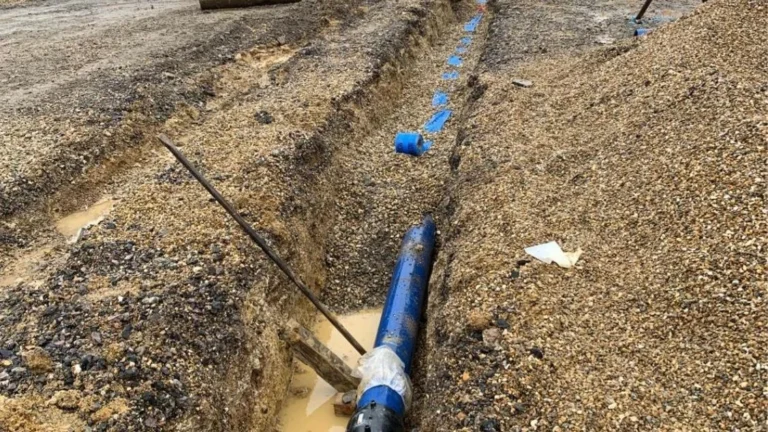
Blockages and water damage risk
Servicing and maintenance
Warehouses, factories, workshops
Full design and planning
Commercial and domestic premises
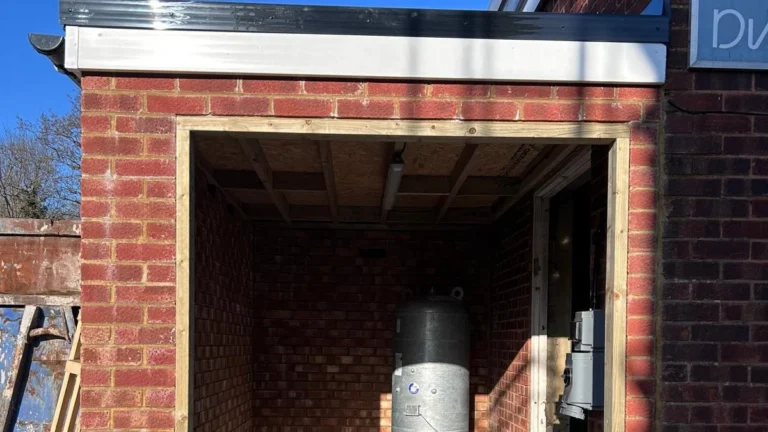
From the UK’s top manufacturers
Accredited and registered
PQS certificate NP350717169, valid to 11 July 2027. View the certificate · Verify on the SSIP portal
Get in touch
And ask about our installation, maintenance and repair services.
Coastal Mechanical Services
Send us a message and we will come back to you.